
September 30, 2026

Fall-Proofing Your Home and Body

This article has been written by Bone Forte

Fall-proofing your home and body combines simple safety changes with gentle strength and balance practice. For women over 60, removing hazards, improving lighting, strengthening the legs, and building confidence can reduce fall risks and help protect independence during autumn and throughout the year.

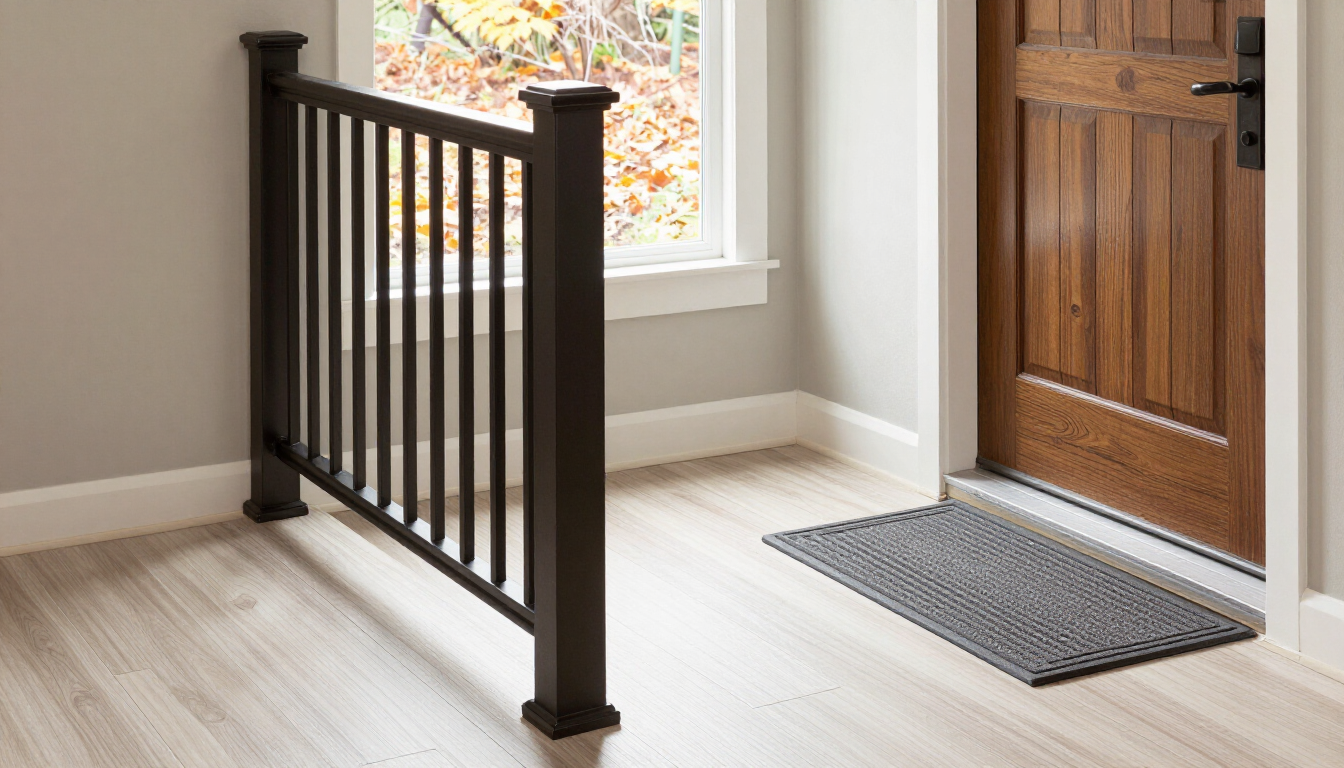
Safe, well-lit home entryway for fall prevention

Why does fall-proofing matter after age 60?

Falls are common, but they are not an inevitable part of aging. A fall may lead to a fracture, reduced activity, fear of moving, or loss of independence. Women over 60 may also be more concerned about bone strength, making prevention especially important.

Fall prevention works best as a team effort between your surroundings and your body. A clear walkway cannot compensate for poor balance, and strong legs cannot fully protect you from a slippery rug. Combining both approaches creates a safer foundation for everyday movement.

For more information about protecting your bones, explore Why Bone Health Matters and the practical resources in Your Bone Health .

What should you check first when fall-proofing your home?

Walk through your home slowly and look at the places you use when you are tired, carrying something, or moving in low light. Check these common trouble spots:

  • Rugs and floors: Remove loose throw rugs, secure edges with non-slip backing, and clean up spills promptly.
  • Lighting: Add brighter bulbs, night-lights, and easy-to-reach switches near stairs, hallways, and the bedroom.
  • Pathways: Move cords, baskets, shoes, and small furniture out of walking routes.
  • Stairs: Keep steps clear, add sturdy handrails, and mark changes in floor height.
  • Bathroom areas: Use non-slip mats and consider grab bars near the toilet and shower.

Do not rely on a towel, towel rack, or rolling piece of furniture for support. Safety equipment should be stable, properly installed, and easy to use.

A five-minute autumn safety scan

Set a timer and inspect the areas you use most. Look for wet leaves near entrances, slippery porch surfaces, dim hallways, and shoes with worn soles. If you live with someone, ask them to walk through the home with you; another person may notice a hazard you have stopped seeing.

Make one change at a time, then test the route again. The goal is not to make your home look clinical. It is to make normal activities—getting up at night, answering the door, or carrying laundry—more predictable and secure.

Which exercises improve balance and leg strength?

Gentle, consistent practice can improve the muscle control needed for standing, turning, and stepping over small obstacles. Use a sturdy counter or heavy table for support, wear supportive shoes, and stop if you feel pain, dizziness, chest discomfort, or unusual shortness of breath. Contact 911 immediately with chest pains or shortness of breath for medical advice.

Try these movements two or three days per week, beginning with one set:

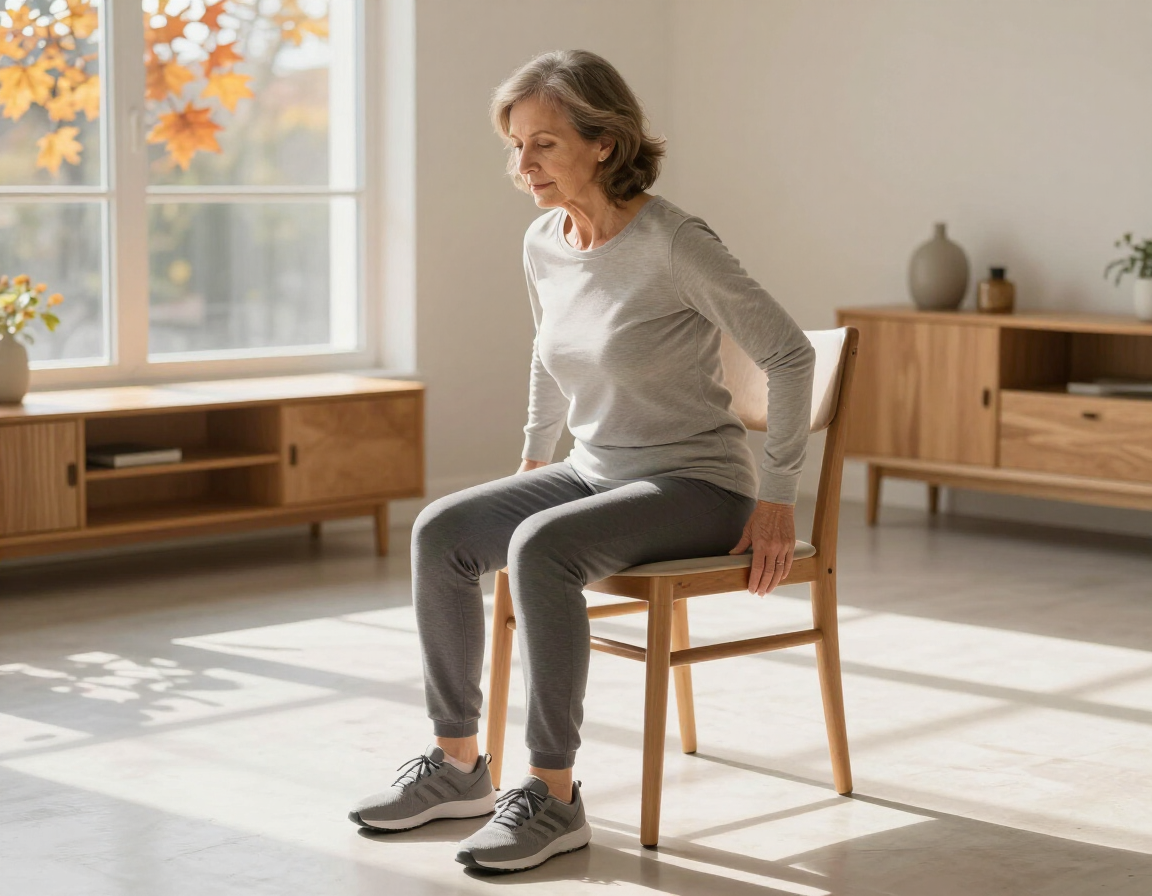
  1. Sit-to-stand: Sit near the front of a sturdy chair. Lean slightly forward, press through your feet, and stand. Slowly sit back down. Repeat 8–10 times.
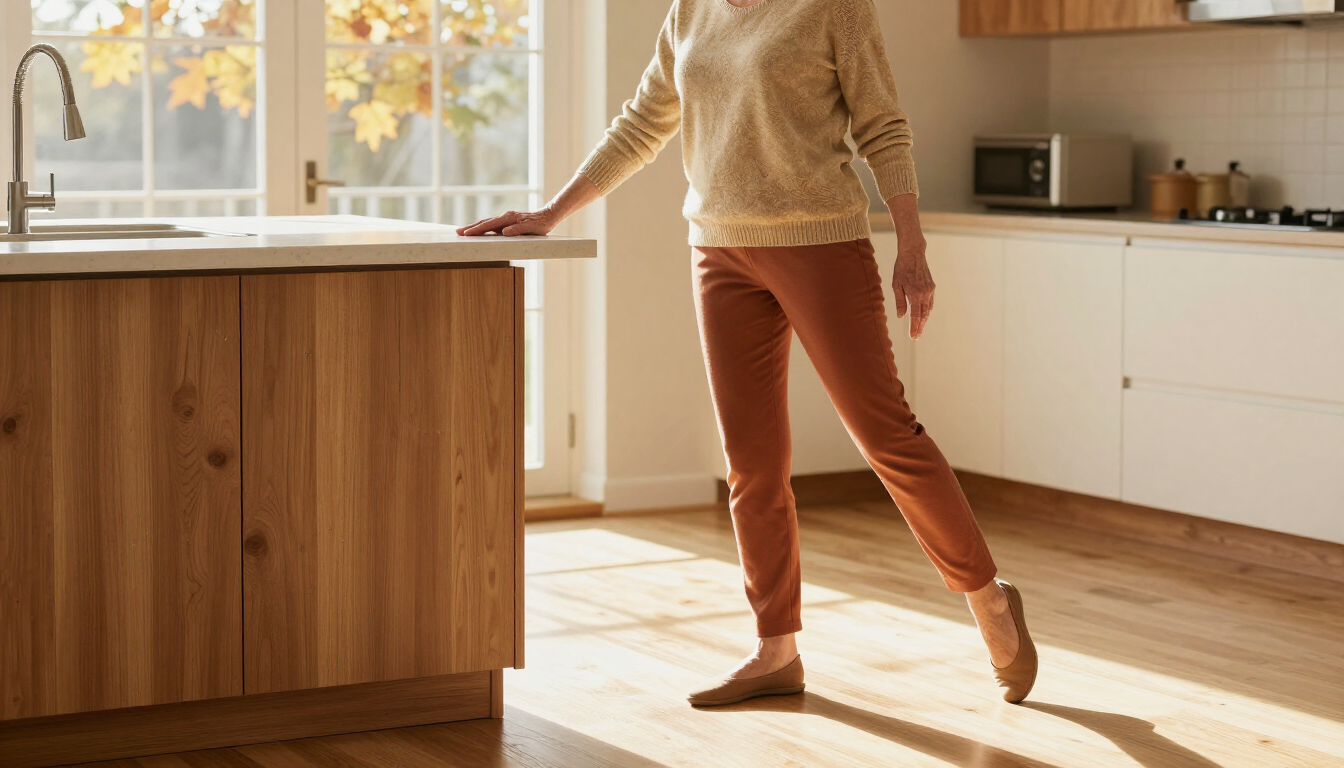
  2. Supported heel raises: Hold a counter, rise onto your toes, and lower with control. Repeat 8–12 times to work the calves and ankles.
  3. Side leg lifts: Hold support, keep your torso upright, and move one leg gently to the side. Return it slowly, then switch sides. Repeat 8–10 times per leg.
  4. Heel-to-toe walking: Along a counter, place one foot directly in front of the other for several slow steps. Keep one hand close to support.
  5. Weight shifts: With both feet planted, shift your weight gently from side to side and forward to back without lifting your feet.

Quality matters more than speed. If balance is limited, keep both hands near support and ask a physical therapist or clinician to recommend personalized exercises.

Older woman practicing supported leg-strength exercises at home

How can you move more safely outdoors in autumn?

Wet leaves, uneven sidewalks, rain, and earlier darkness can make outdoor walking less predictable. Choose shoes with good traction and a secure fit. Slow down on damp surfaces, avoid carrying items that block your view, and use a flashlight when visibility is low.

Plan routes with benches, handrails, and even pavement. When weather is poor, walk indoors in a hallway, mall, community center, or other well-lit space. If you use a cane or walker, have it fitted correctly rather than borrowing one.

Balance confidence also improves when you avoid rushing. Pause before stepping off a curb, turning, or changing surfaces. Look where you are going and keep your hands available for support.

What daily habits support fall prevention?

Small routines can help you notice risks before they become problems:

  • Keep frequently used items between waist and shoulder height.
  • Rise slowly from bed or a chair, especially if you feel lightheaded.
  • Schedule vision and hearing checks as recommended.
  • Review medicines with a healthcare professional if you feel sleepy or unsteady.
  • Stay active within your abilities and discuss new symptoms promptly.

Nutrition, regular movement, and bone-health care matter too. If you are learning about bone density and quality, read REMS vs DXA for Bone Density and Quality or What to Expect with REMS .

When should you ask for professional help?

Talk with a healthcare professional if you have fallen, feel increasingly unsteady, avoid activities because of fear, or have pain or weakness that limits movement. A physical therapist can assess gait and balance, while an occupational therapist can suggest home modifications.

Seek urgent medical care after a fall if you hit your head, cannot stand, have severe pain, notice a deformity, or cannot put weight on a limb. Do not try to “walk it off” when an injury may be serious.

Your fall-proofing checklist

Fall-proofing your home and body is most useful when it becomes a repeatable habit rather than a once-a-year project. Start with the path from your bed to the bathroom, then inspect stairs, entrances, and the rooms where you spend the most time. Add gentle sit-to-stands and supported balance work at a comfortable level. In autumn, pay extra attention to wet leaves, darkness, and slippery outdoor surfaces. Next, choose one home change and one movement practice to begin this week. If you have already fallen or feel unsure, ask a clinician for an individualized plan—and keep building confidence one safe step at a time.


Disclaimer: This article was written by a non-medical professional for informational purposes only and has not been medically reviewed. It is not a substitute for professional medical advice, diagnosis, or treatment. Always consult a qualified healthcare provider about your bone health.

Bone strength after 60: older couple exercising safely
By Bone Forte • September 30, 2026
Learn five practical ways to support bone strength after 60 with weight-bearing movement, calcium, vitamin D, strength training, and fall prevention.

Laptop beside printed business charts and graphs on a wooden desk
By Dr. Andy Bush • September 30, 2026
Clues in Interpreting Your REMS and DXA Reports- what data is important and how to look for patterns and consistency.

Chalk writing “1 + 1 = 3” on a blackboard with a piece of chalk at right
By Dr. Andy Bush • September 30, 2026
What Kind of Errors Can Happen With REMS and How Can They be Prevented?
Show More
Bone strength after 60: older couple exercising safely
By Bone Forte • September 30, 2026
Learn five practical ways to support bone strength after 60 with weight-bearing movement, calcium, vitamin D, strength training, and fall prevention.
Laptop beside printed business charts and graphs on a wooden desk
By Dr. Andy Bush • September 30, 2026
Clues in Interpreting Your REMS and DXA Reports- what data is important and how to look for patterns and consistency.
Chalk writing “1 + 1 = 3” on a blackboard with a piece of chalk at right
By Dr. Andy Bush • September 30, 2026
What Kind of Errors Can Happen With REMS and How Can They be Prevented?
Show More

Share this article